Co-op Crews
Team up for shared objectives and campaign nights. The room usually plays co-op adventures, action RPGs, and team-based missions.
At Dota2protracker, good sessions start with people who show up, share the mic, and make room for new players. Our guild rooms have clear hosts and a moderator route when a conversation needs attention.
Make room for good play.
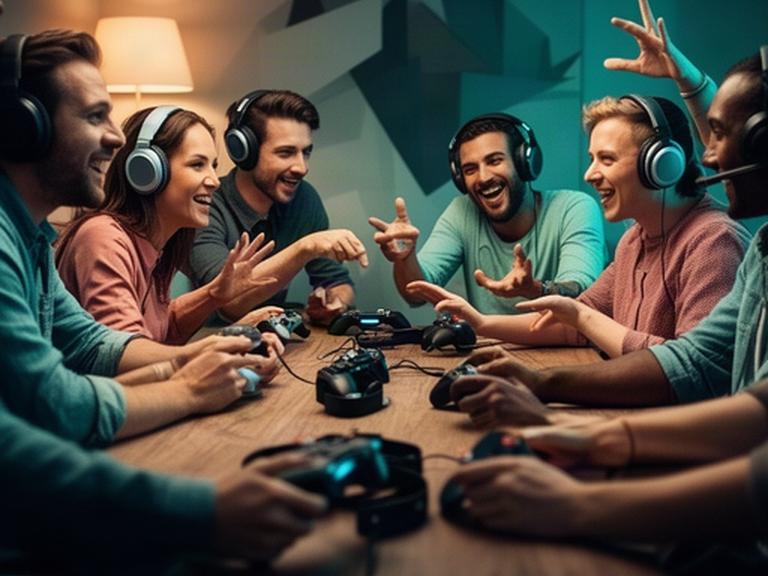
Choose a room by the way you like to play. Room membership is included with Guild Standard and All-Access Crew plans.
Pick a room. Show up.
Team up for shared objectives and campaign nights. The room usually plays co-op adventures, action RPGs, and team-based missions.
Take your time with turn-based tactics and management games. Sessions leave space for planning, discussion, and a few long turns.
Bring a build in progress or start one with the group. Members trade practical tips around sandbox, simulation, and crafting games.
Get a patient introduction to room tools and group play. Hosts pick approachable co-op and party games for each session.
Make a plan, then meet your room host at the listed start time. All times are Pacific Time.
Show up. Play together.
Room: New Player Welcome
Room: Co-op Crews
Room: Late Night Strategy
Room: Builder Circle
Outside California? Pacific Time is UTC−8 in standard time and UTC−7 during daylight saving time. Check your local clock before joining.
Standings count participation hours and completed co-op sessions. They’re for room bragging rights only; there are no reward mechanics attached.
Hours tell part of it.
Each season resets at the start of a new quarter. Fresh sessions start a fresh table, so regular participation matters more than an old total.
| Rank | Display name | Hours | Co-op sessions |
|---|---|---|---|
| 01 | MapleCircuit | 18.5 | 12 |
| 02 | QuietComet | 16.0 | 10 |
| 03 | PixelHarbor | 14.5 | 9 |
| 04 | JuniperQuest | 12.0 | 8 |
Illustrative season snapshot · refreshed quarterly
Good sessions need clear expectations. Keep voice chat useful, respect the people in the room, and raise a concern early.
Keep it playable.
Need a moderator? Send the details to [email protected], including the room name and approximate session time.
Read the full Terms and Conditions and Privacy Policy.
Guild Standard and All-Access Crew include guild room membership. Choose a plan and pick the room that fits your play style.
Your seat starts here.
Professional Dota 2 matches offer valuable examples of how experienced players approach complex in-game situations. Dota2ProTracker enables users to examine competitive match information and investigate the choices made by skilled participants. Exploring these records can broaden a player's understanding of tactical planning, hero responsibilities, and strategic adaptation, providing useful ideas to consider when developing an individual approach to the game.
Effective hero development depends on making choices that suit the challenges of each match. By exploring professional games on Dota2ProTracker, users can investigate different equipment combinations, ability upgrade sequences, and approaches to specific opponents. Looking at several examples rather than relying on one popular build can reveal how experienced players adjust their decisions according to team requirements and changing conditions throughout a game.
Examining multiple professional matches allows users to see how similar situations can produce different tactical responses. A particular hero may be assigned different responsibilities, while teams may change their priorities depending on the opposing lineup. Comparing these examples encourages players to look beyond individual actions and consider the wider strategy behind them, helping develop a more flexible understanding of how competitive Dota 2 is played.
Competitive statistics can provide evidence about how particular heroes and tactical approaches perform in high-level games. Dota2ProTracker helps users investigate recorded outcomes and compare examples from professional play. However, these results reflect a specific competitive environment shaped by experienced players and coordinated teams. Understanding that context is important before applying similar ideas to ranked matches, where individual skill levels and team dynamics may differ considerably.
Watching or studying professional matches becomes more productive when connected to a clear learning objective. Players can investigate how competitors manage the early stages of a game, choose when to engage, or adjust their equipment to counter opposing heroes. They can then practise a relevant technique in their own matches and reflect on the results. This process makes professional examples a practical source of learning rather than merely something to observe.
Looking through professional match data can help users recognise which heroes appear regularly in competitive lineups and explore the circumstances surrounding those selections. Repeated picks may reflect strategic preferences, team specialisation, or the requirements of particular drafts. Although these patterns offer useful insight into competitive trends, players should avoid treating popularity as a guarantee of effectiveness when choosing heroes for their own games.
Item purchases and ability upgrades can vary significantly even when professionals use the same hero. These differences may reflect the opposing lineup, the player's role, or the team's immediate strategic priorities. Comparing match examples on Dota2ProTracker can help users understand why multiple development paths are possible. This knowledge encourages more thoughtful choices and reduces dependence on fixed builds that may not suit every encounter.
Game updates can alter the strengths of individual heroes, affect item priorities, and encourage teams to reconsider established tactics. Reviewing professional matches played after these changes can provide examples of how competitive strategies develop in response. Comparing newer records with earlier performances may help users identify emerging approaches, although a limited number of games is not enough to establish whether a trend will remain effective over time.
Match summaries provide an overview of results, but they may not show why a particular decision succeeded or failed. Replays, when available, let players revisit key moments and examine movement, positioning, timing, and coordination between teammates. Connecting these observations with statistical information helps explain the circumstances behind important outcomes and gives users a stronger foundation for understanding the tactical choices made during professional games.
Professional gameplay can introduce newer players to effective habits and strategic concepts, but advanced techniques may be difficult to reproduce without sufficient experience. A sensible approach is to focus on fundamental decisions, such as understanding hero roles, selecting appropriate items, and recognising favourable engagements. Players can gradually experiment with more complex ideas as their knowledge grows, adapting each lesson to their own matches instead of copying professional actions without considering the situation.